News
STAIS 2026: Smart Technology Applications for Next-generation Industry, Smart City and Sustainable Development
23/10/2026 14:50 — 14
STAIS is an annual international scientific conference series jointly organized by a consortium of five universities: Thu Dau Mot University, Hung Yen University of Technology and Education, Ho Chi Minh City University of Transport, Vinh University of Technology Education, and Gia Dinh University. The conference also receives support from higher education institutions, research organizations, and professional bodies across Vietnam, while expanding academic connections with partners in Belgium, Bulgaria, the United Kingdom, France, Malaysia, Taiwan (China), China, South Korea, and Thailand.
STAIS 2026 marked the fifth edition of the conference, following four previous events held from 2022 to 2025. According to the Organizing Committee, the conference received 222 papers from authors affiliated with 50 universities, research institutes, and academic centers. Each submission underwent double-blind peer review by two or three independent reviewers, together with plagiarism screening and checks for AI-generated content. Following the review process, 140 papers were accepted for presentation and inclusion in the conference proceedings. Of these, 40 outstanding papers were recommended for further development and submission to Scopus-indexed partner journals published by Trans Tech Publications. The research presented at the conference focused on technological applications in manufacturing, transportation, urban development, and public administration. Key areas included digital technologies and artificial intelligence; robotics, unmanned aerial vehicles (UAVs), and automation; engineering and smart manufacturing; advanced materials and sustainable energy; biomedical technologies; semiconductors, electronics, and communications; economics, management, and the social sciences; and smart education.
In his welcoming address, Assoc. Prof. Dr. Le Tuan Anh, Secretary of the University Party Committee and Rector of Thu Dau Mot University, expressed his appreciation for the opportunity to co-organize STAIS 2026 with the University's partner institutions. He observed that rapid advances in artificial intelligence, the Industrial Internet of Things, smart manufacturing, semiconductor technologies, autonomous systems, and green energy are creating new demands for scientific research and technological applications. These developments, he noted, call for stronger interdisciplinary cooperation among higher education institutions, research organizations, and businesses, as well as technology solutions that respond to practical needs. At the same time, technological progress should serve people, protect the environment, and improve quality of life. Expressing his hopes for the conference, he stated: “As an international academic forum, STAIS enables scientists to present their research findings, exchange knowledge, discuss potential technological applications, and expand research collaboration. The participation of universities, research institutions, businesses, healthcare facilities, and government agencies helps strengthen the links between scientific research and practical needs, promote joint research programs and technology transfer, and support next-generation industry, smart cities, and sustainable development.”
During the plenary session, keynote speakers presented research findings and potential technological applications in three areas: intelligent robotics, advanced materials, and green transportation. Prof. Chih-Yang Lin of National Central University, Taiwan (China), delivered a presentation entitled “Small Models, Smart Robots: Bringing AI Robots into Practice”, highlighting the use of artificial intelligence models in robotics development and the deployment of robotic systems in real-world environments. Prof. Jamaluddin Mahmud of Universiti Teknologi MARA (UiTM), Malaysia, discussed next-generation materials and silicone-based biocomposites, outlining research directions and potential applications in healthcare and industry. In his presentation, “Developing Green Transportation with AI and IoT”, Prof. Le Hung Lan of the University of Transport and Communications, Vice President of the Vietnam Automation Association, examined how artificial intelligence (AI) and the Internet of Things (IoT) can support intelligent transport systems, improve management and operational efficiency, and help reduce emissions.
In addition to the plenary session, the conference featured five thematic sessions: Digital Technology and Artificial Intelligence; Advanced Materials and Sustainable Energy; Engineering and Smart Manufacturing; Robotics, UAVs and Automation; and Socio-Economics and Management for Sustainable Development. Discussions addressed emerging research directions, approaches, and technological solutions in each field, with particular attention to how research findings could be applied to industrial production, urban development, governance, and practical challenges. Through presentations, academic exchanges, and face-to-face discussions, researchers, experts, and delegates examined the scientific foundations and potential effectiveness of these applications, as well as issues requiring further investigation and refinement. The sessions also enabled research groups to share findings, identify opportunities for interdisciplinary research, and explore collaboration in research, development, and technology transfer.
Held at Thu Dau Mot University on October 16–17, 2026, STAIS 2026 offered Vietnamese and international researchers opportunities to present their findings, exchange research approaches, and discuss technological applications in industry, urban development, and public administration. The presentations and thematic sessions strengthened professional exchanges among research groups, broadened interdisciplinary cooperation, and highlighted both scientific challenges and practical requirements in the development and application of smart technologies. As a co-organizer, Thu Dau Mot University continued to expand its partnerships with higher education institutions and research organizations in Vietnam and abroad, creating further opportunities for lecturers and researchers to share knowledge, pursue joint research directions, and translate research findings into practical applications.
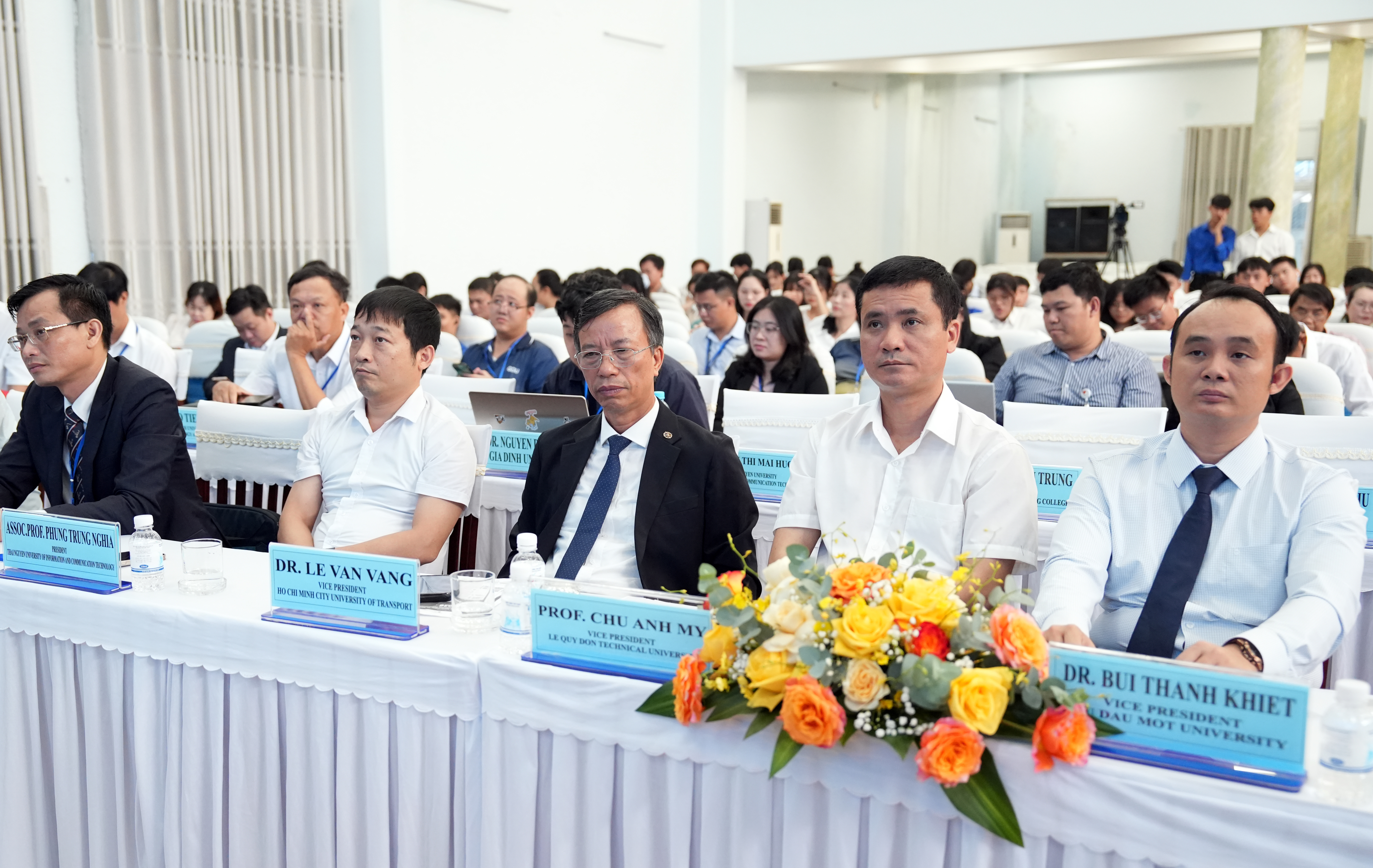
STAIS 2026 brings together scientists, experts, and delegates from Vietnam and abroad.

Delegates attend the plenary session of the STAIS 2026 international conference.
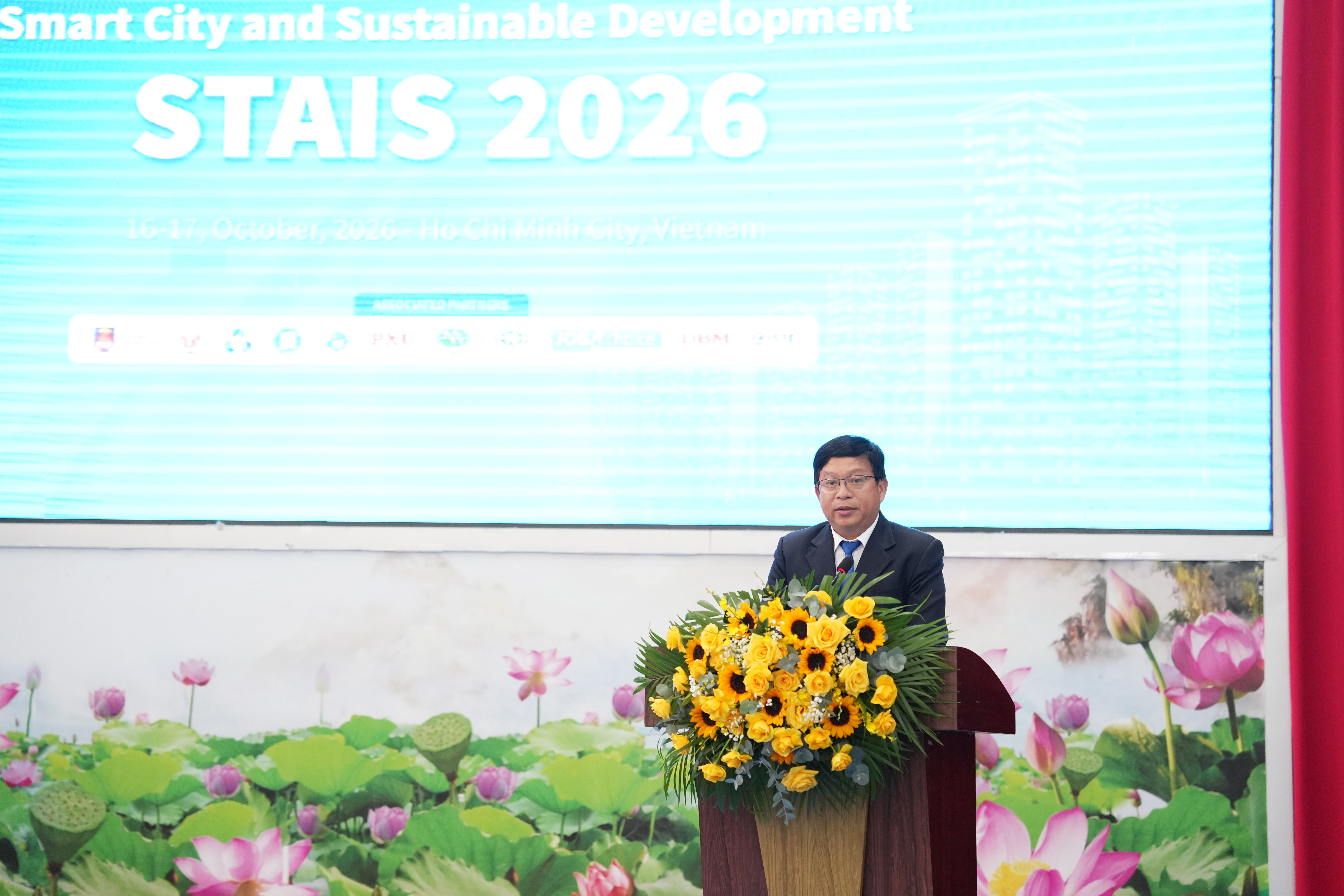
Assoc. Prof. Dr. Le Tuan Anh, Secretary of the University Party Committee and Rector of Thu Dau Mot University, delivers the welcoming address.
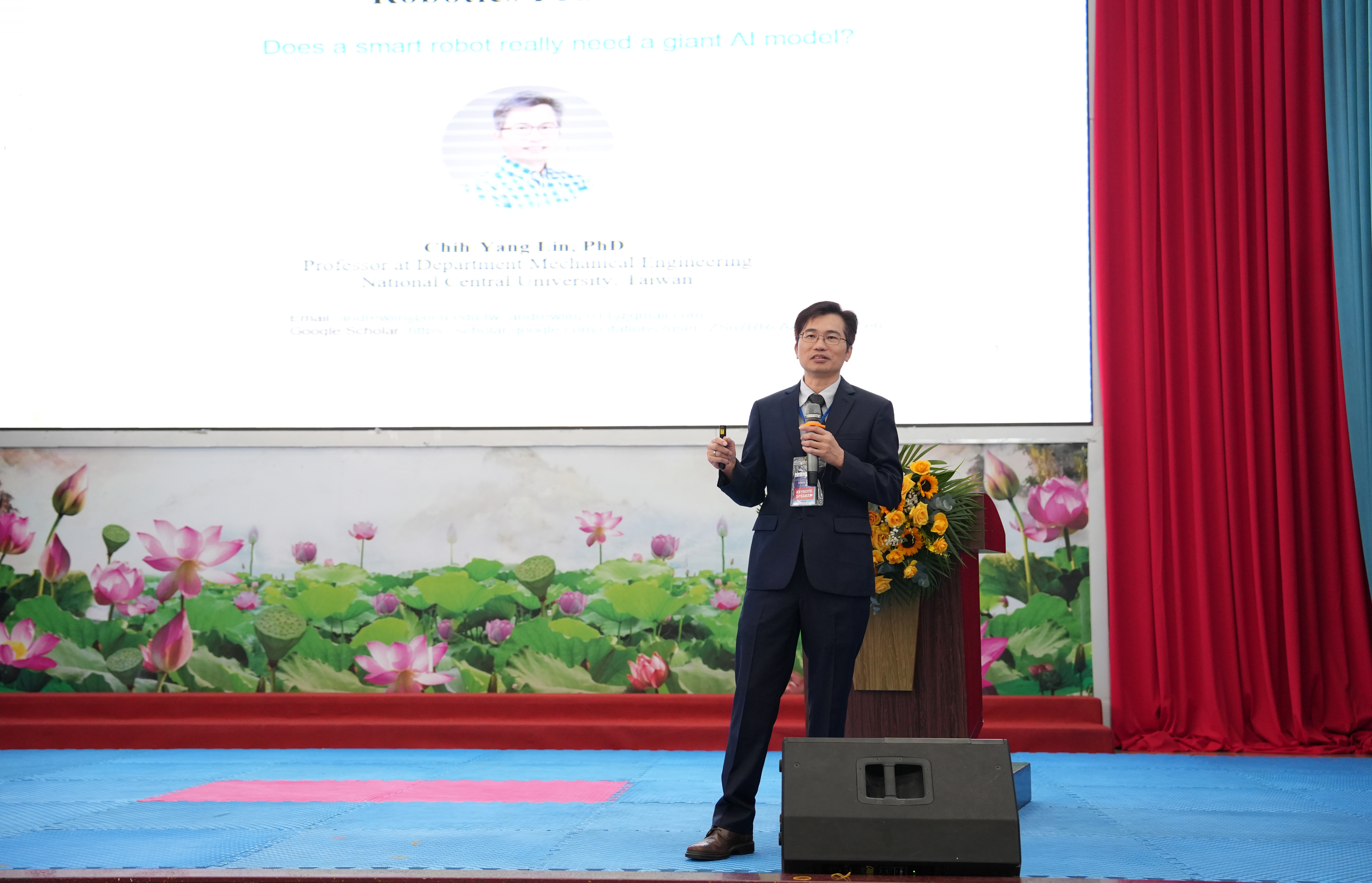
Prof. Chih-Yang Lin of National Central University, Taiwan (China), presents research on the application of artificial intelligence in intelligent robotics.
Prof. Jamaluddin Mahmud of Universiti Teknologi MARA (UiTM), Malaysia, presents research on next-generation materials and silicone-based biocomposites.

Scientists and experts discuss potential applications of smart technologies during the plenary session.
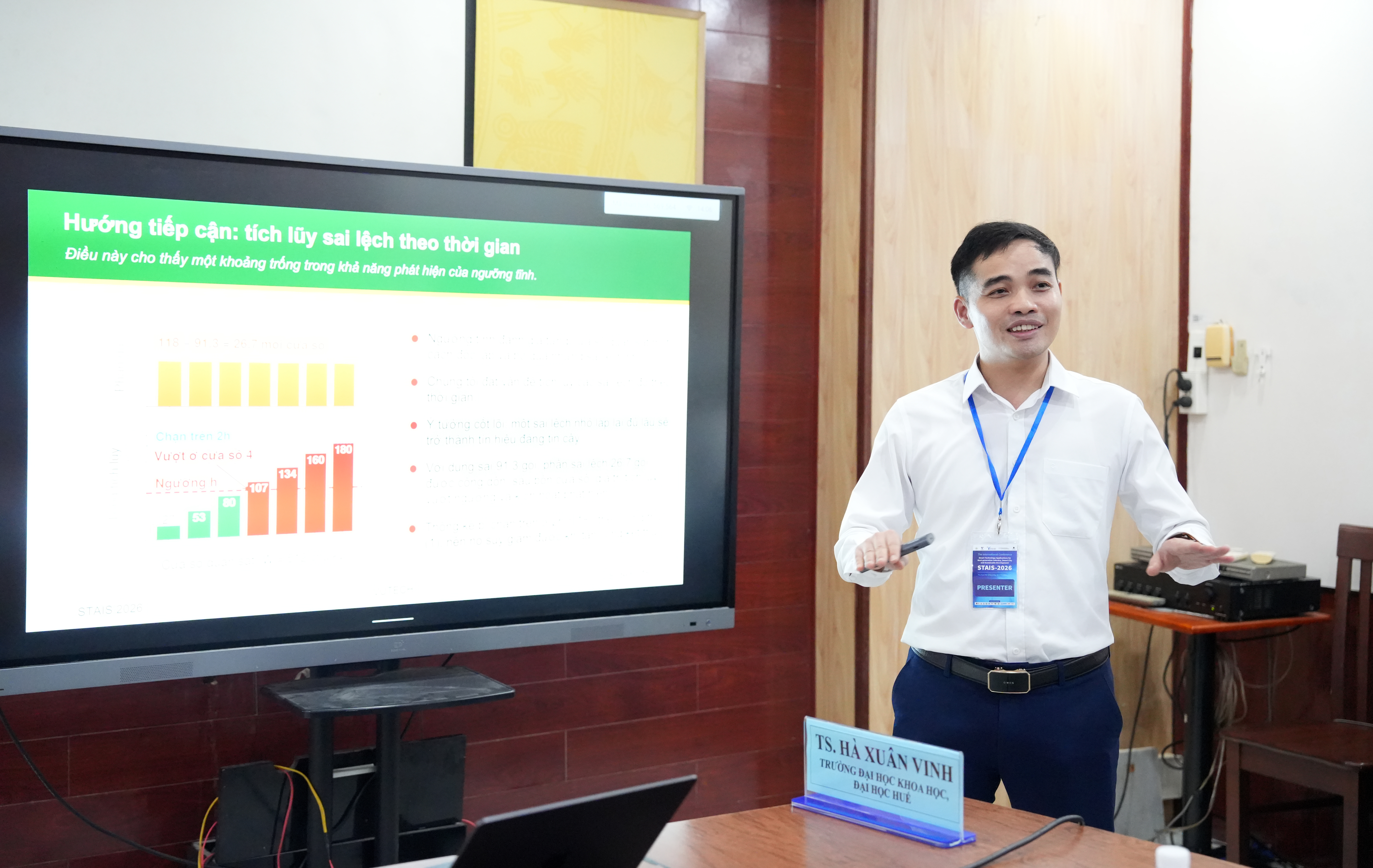
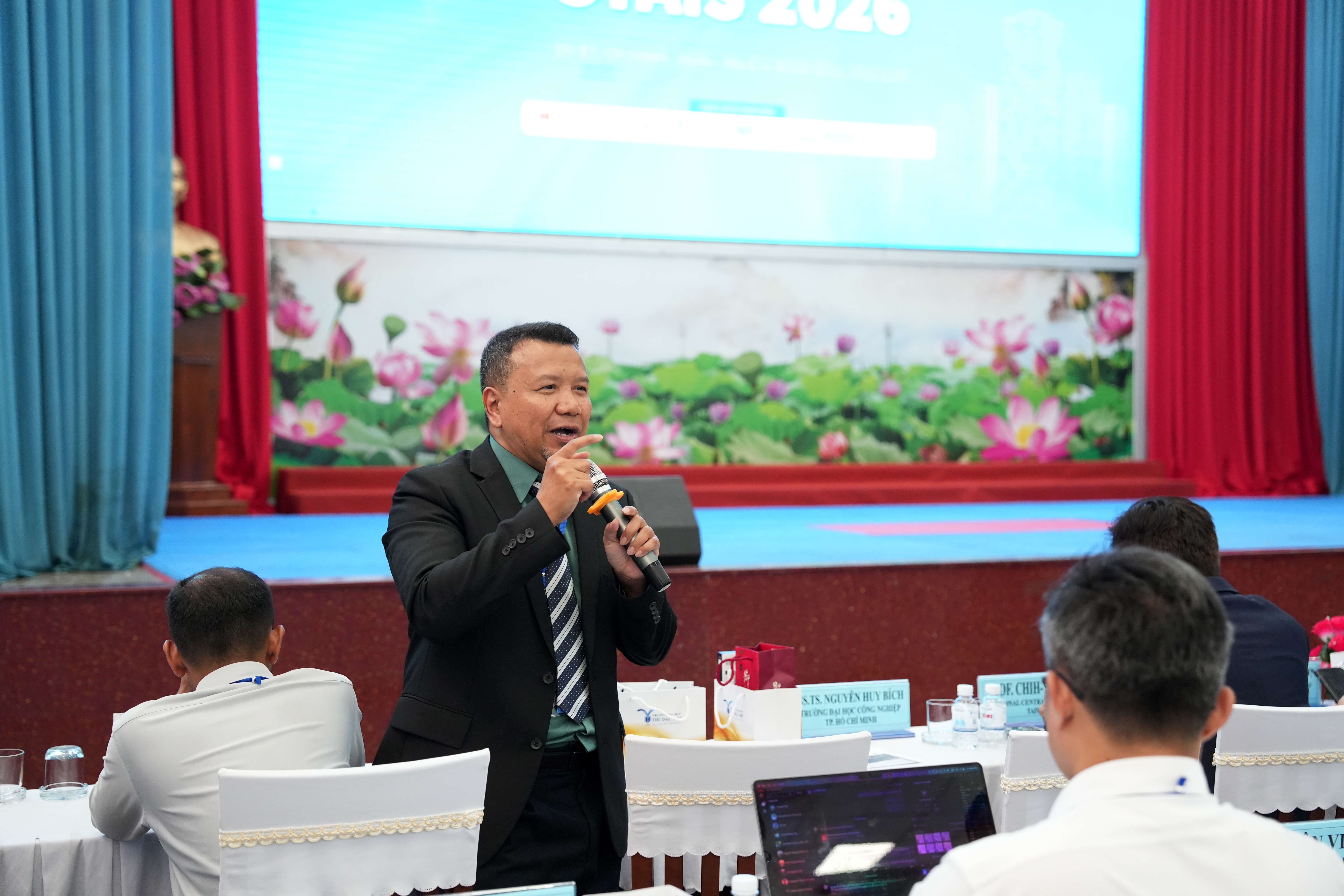
Delegates share perspectives and engage in academic discussions during the conference sessions.

The thematic sessions provide a platform for exchanging research findings, approaches, and potential technological applications across different fields.
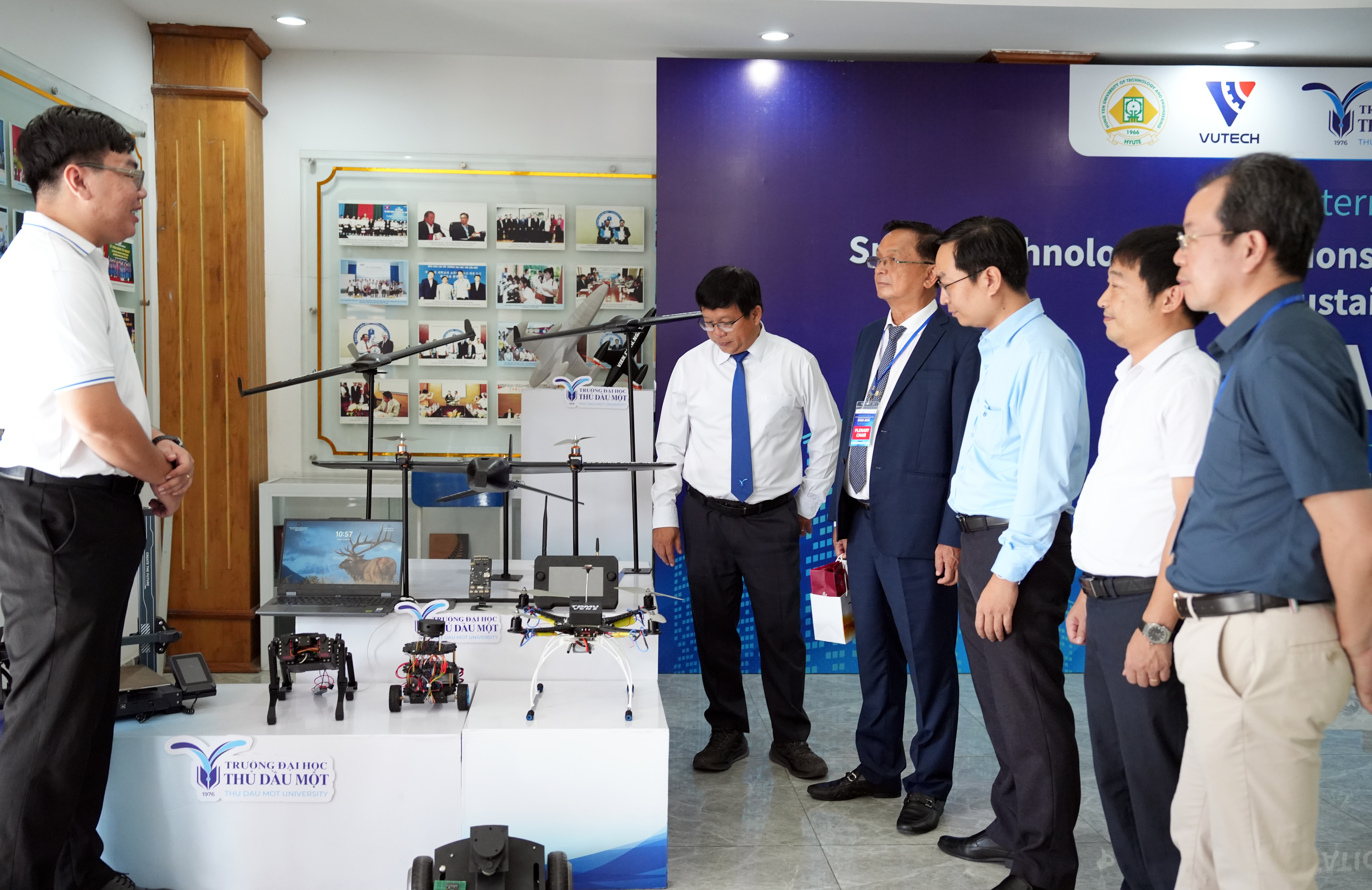
Delegates explore technological products researched and developed by lecturers and students at Thu Dau Mot University.

Delegates view technological products and equipment showcased by businesses at STAIS 2026.

The exhibition visit creates opportunities for exchanges among scientists, higher education institutions, and businesses.
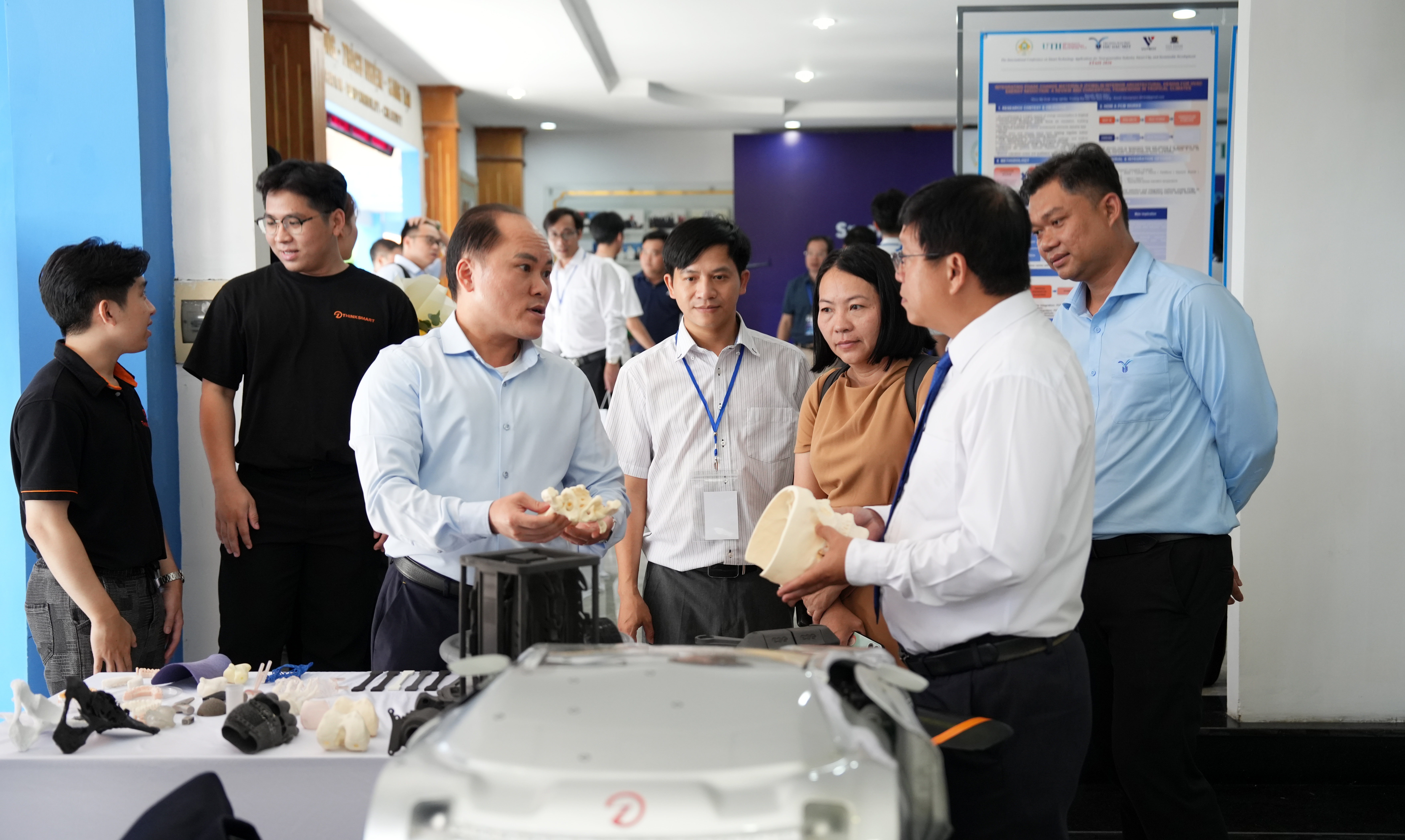
The exhibition area attracts the interest of scientists, experts, and business representatives attending the conference.

Assoc. Prof. Dr. Le Tuan Anh, Secretary of the University Party Committee and Rector of Thu Dau Mot University, and Dr. Doan Ngoc Xuan, former Rector of the University, present flowers in appreciation to representatives of the STAIS 2026 co-organizing institutions.

Assoc. Prof. Dr. Le Tuan Anh, Secretary of the University Party Committee and Rector of Thu Dau Mot University, and Dr. Doan Ngoc Xuan, former Rector of the University, present flowers in appreciation to the speakers at the STAIS 2026 plenary session.

As a conference co-organizer, Thu Dau Mot University continues to strengthen cooperation with higher education institutions and research organizations in Vietnam and abroad, creating further opportunities for lecturers and researchers to share knowledge, pursue joint research directions, and translate research findings into practical applications.
Posts on the same topic
 23/10/2026 2:57:11 CH — 1
Thu Dau Mot University marked the 96th anniversary of Vietnamese Women’s Day (20 October 1930 – 20 October 2026) with a series of activities honoring the contributions of female staff, faculty and employees, and creating opportunities for units to connect and strengthen ties in work and life.
 01/10/2026 6:08:09 CH — 103
On September 29, 2026, Thu Dau Mot University held its orientation day for the 2026–2027 academic year. The ceremony welcomed new students into the university and set key action priorities for improving training quality, research, innovation, and service to learners.
 01/10/2026 6:05:45 CH — 89
The seminar “Creating Social Impact – The Role of Young People in the Social Impact Ecosystem” offered a comprehensive view of the stakeholders, resources and forms of collaboration needed to address social issues in a professional and sustainable manner, while highlighting opportunities for students to take an active role, develop initiatives and contribute to their communities.
 01/10/2026 6:02:57 CH — 101
On the morning of September 5, 2026, the Korean Chamber of Commerce and Industry in Vietnam (KOCHAM HCMC - Binh Duong) awarded 35 scholarships to Korean Language majors at Thu Dau Mot University. The scholarships were presented to students who had excelled in both their studies and personal development, as well as to students facing financial hardship who had shown determination and perseverance in their studies. The total value of the 2026 scholarships was VND 190 million.
 31/08/2026 7:57:08 SA — 222
As part of The University Innovation Idea Contest (INNOSTAR 2026) and the HCMC K-Brand Expo 2026, on 26 August, 2026, Thu Dau Mot University teamed up with Ho Chi Minh City Innovation and Entrepreneurship Center to host the Vietnam-Korea cultural exchange program "A Piece of Vietnam." The event created an additional space for Vietnamese and Korean students to meet and explore each other's cultures, complementing the startup and innovation networking activities within the INNOSTAR 2026 framework.
 31/08/2026 7:38:57 SA — 195
Designed to inspire an entrepreneurial mindset aligned with green development and digital transformation, the forum “Green Up – Awakening Green Ideas, Shaping a Digital Future” provided a platform for Thu Dau Mot University students to engage directly with entrepreneurs and experts on how to develop ideas, test solutions, and gradually put initiatives into practice.
 30/07/2026 5:36:38 CH — 252
On December 5, 2020, Thu Dau Mot University hosted the Seminar on Development Strategy of Thu Dau Mot University for 2035, with long-term vision extending to 2050. This seminar served as a critical platform to review, refine, and enhance strategic directions that will guide the university's development trajectory in the coming decades.
 30/07/2026 5:26:14 CH — 313
5 December, 2025 - A delegation from Kyung Hee University visited Thu Dau Mot University to discuss collaborative programs in training, scientific research, and cultural exchange.
 30/07/2026 5:18:10 CH — 216
On November 3, 2025, Thu Dau Mot University solemnly held a signing ceremony for a Memorandum of Understanding (MOU) with the Military School – Ho Chi Minh City Command to implement a joint training program on national defense and security education for students.
 29/07/2026 2:57:14 CH — 267
To prepare for its registration in the THE Sustainability Impact Ratings 2027 - a ranking that evaluates universities' contributions to the United Nations' 17 Sustainable Development Goals (SDGs) - Thu Dau Mot University held a training workshop on 21 July 2026 on embedding the SDGs into its operations.
 Đang tải...
